Empathy
❋
Communication
❋
Impact
❋
Science
❋
Action
❋
Advocacy
❋
Healthcare Access
❋
Analytics
❋
Empathy ❋ Communication ❋ Impact ❋ Science ❋ Action ❋ Advocacy ❋ Healthcare Access ❋ Analytics ❋
Understanding begins when we are willing to walk in another’s shoes
The Walk-A-Mile Project is an immersive empathy experience that transforms how participants understand the people they serve. Designed for medical schools, residency programs, hospitals, universities, healthcare organizations, and community leaders, participants spend a day navigating real-world barriers such as transportation, food insecurity, housing instability, healthcare access, financial limitations, and stigma.
Not a lecture. Not a simulation. An experience.
Rather than learning about these challenges, participants experience them firsthand through authentic community interactions and realistic decision-making. Guided reflection then connects those experiences to clinical practice, leadership, education, and policy—creating lasting changes in communication, empathy, and decision-making.
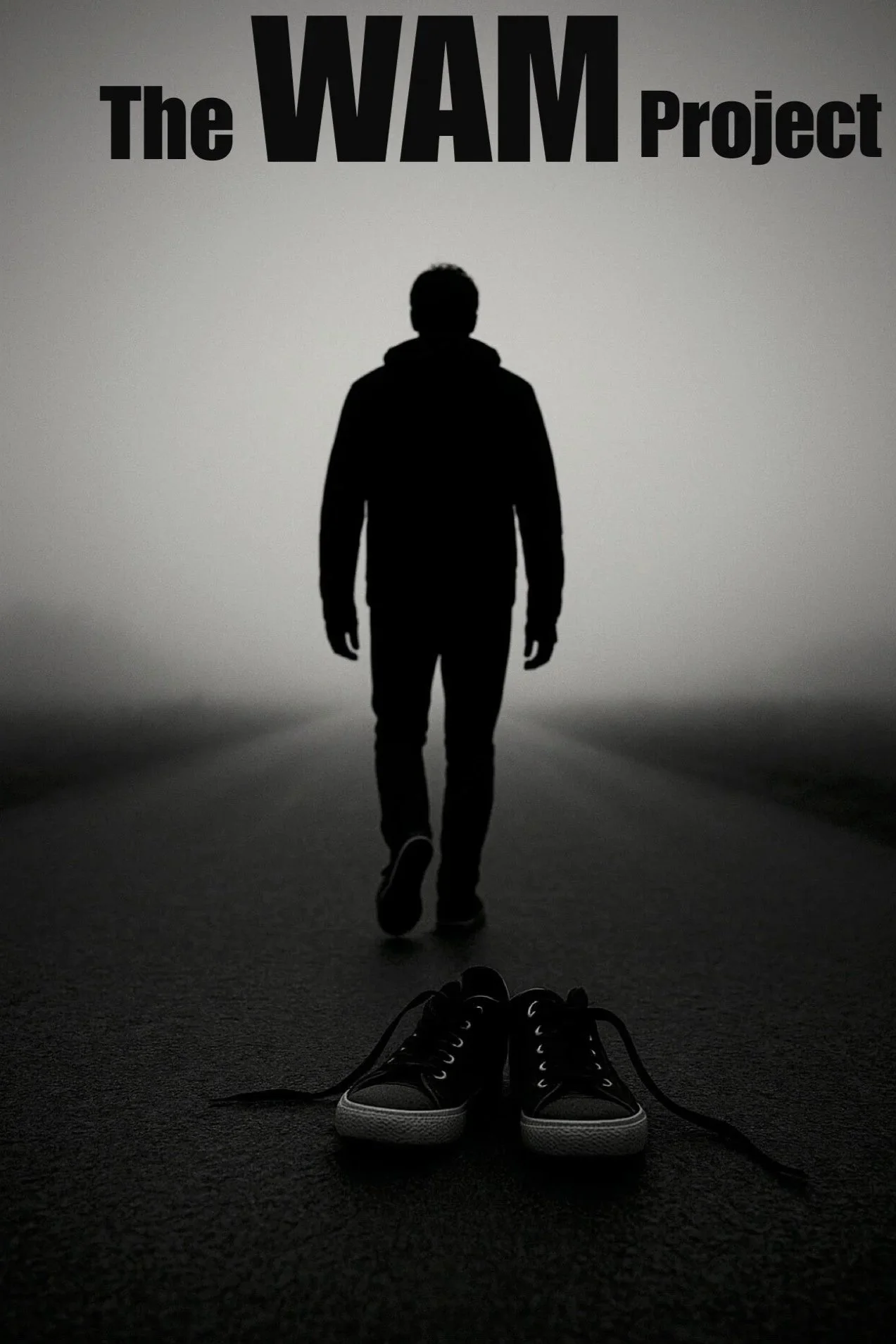
Walk A Mile Project
Walk the Mile. Live the Change.
The Vitalist Program
The Vitalist Health Project is a community-based care model designed to bring healthcare directly to patients who cannot safely or reliably access traditional clinical settings. Built for rural primary care practices, EMS agencies, hospital systems, Medicaid and value-based care organizations, and community health partners, Vitalist Health bridges the gap between clinic-based medicine and the realities of rural life.
At the heart of the program is the Vitalist—a trained, trusted community member who travels to a patient’s home equipped with medical tools and secure telehealth technology. During each visit, the Vitalist collects vital signs and facilitates a live, HIPAA-compliant telemedicine appointment with a physician, nurse practitioner, or physician assistant. Patients receive timely, professional care from the safety of their home, while providers gain real-world insight into the patient’s environment, barriers, and support systems.
Vitalist Health is designed to serve high-risk, homebound, and transportation-limited patients, helping prevent unnecessary emergency department visits, hospitalizations, and delayed care. The model strengthens continuity, improves patient engagement, and allows organizations to deploy care proactively—before small issues become crises.
What sets Vitalist Health apart is its deep integration with the community. EMS professionals, community paramedics, medical transport staff, and other local partners are natural Vitalists—already trusted, skilled, and invested in the people they serve. With focused training and standardized workflows, organizations can launch a scalable, sustainable program tailored to local needs.
Vitalist Health is more than telemedicine. It is relationship-based, community-powered care, built for rural systems that value access, dignity, and long-term impact.
Better outcomes begin when care shows up.
The Vitalist Program
Better outcomes begin when care shows up.